UX for AI: Beyond the Hype, Towards Practicality
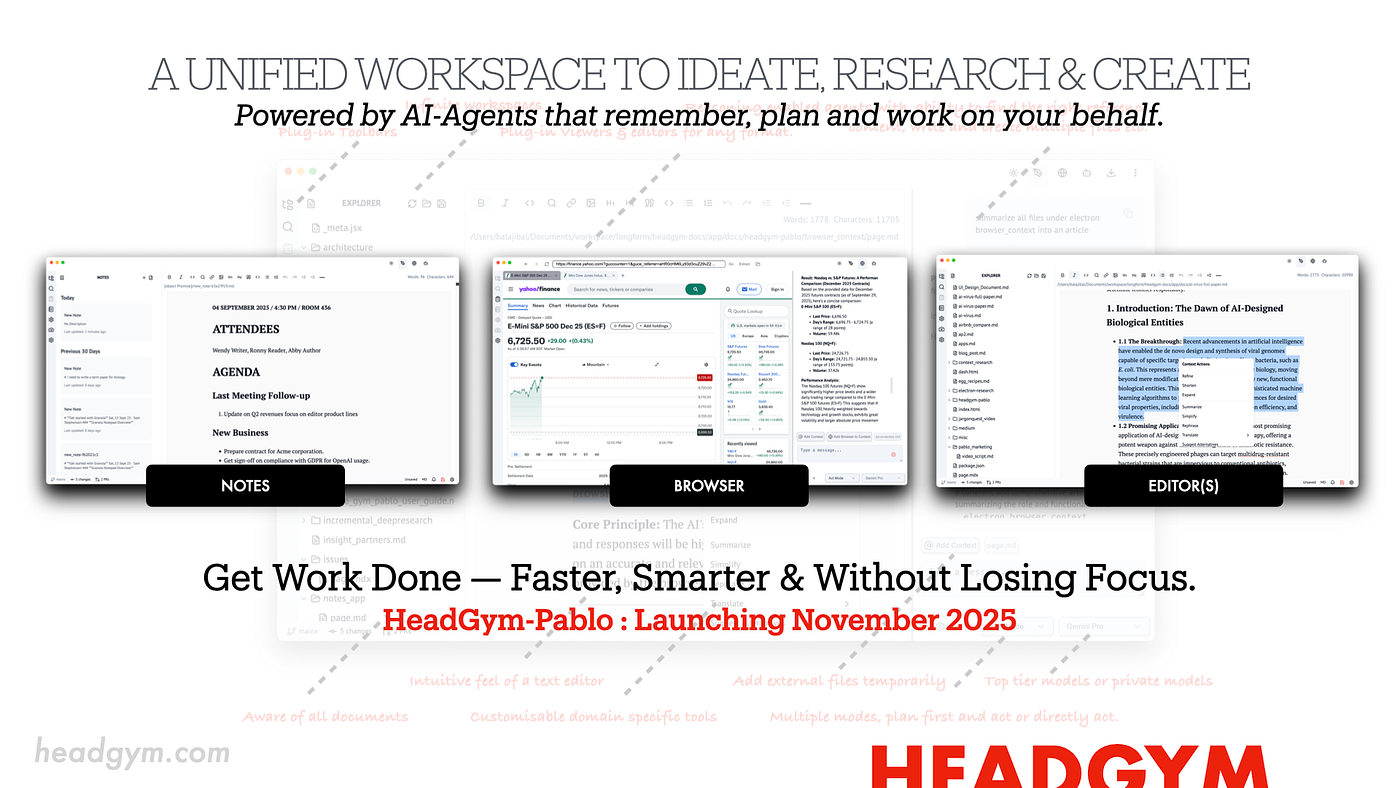
The promise of Artificial Intelligence is vast, yet its current user experience often feels fragmented and unfulfilled. We’re at a critical juncture where the raw power of AI needs to be harnessed by intuitive, coherent, and deeply integrated user interfaces. This isn’t just about making AI “user-friendly”; it’s about building entire ecosystems where AI can truly thrive and deliver on its potential.
The Mobile App Store Analogy: A Blueprint for AI Success?
To understand the path forward for AI UX, consider the early days of mobile computing. The initial smartphones were powerful, but their utility was limited by a lack of integrated applications and a cumbersome user experience.
Almost a quarter of a century ago as mobile phones (not yet smart phones) started taking off you had whole magazines focused on downloading apps and ringtones. The undergrounds and subways ran Ads. So you copied the URLs to find the things to download . It took another 7 years till App Stores took off after Apple’s launch of the smartphone. Till then the app store was the domain of telcos.
Ring Tone Downloads Ads ca. 2000
My experience building some of the first app stores for telcos highlighted significant “last-mile” problems. This wasn’t merely about creating a marketplace; it demanded integrating clients into hundreds of devices annually, managing payment gateways, and developing UI tools — a monumental technological undertaking. Yet, these innovations ultimately reshaped app consumption, with Apple’s App Store becoming a monumental success and a cornerstone of its ecosystem dominance.
The advent of the mobile app store changed everything. It didn’t just offer apps; it created a vertically integrated ecosystem that provided:
-
Discovery and Distribution: A centralized place for users to find and install applications.
-
Developer Tools and APIs: Standardized frameworks for developers to build powerful apps.
-
Monetization Models: Clear pathways for creators to earn revenue.
-
Operating System Integration: Seamless interaction between apps and the underlying mobile OS.
-
Hardware Optimization: Apps designed to leverage specific device capabilities.
This vertical integration, from hardware to software to distribution, unlocked the true potential of mobile. Users benefited from a cohesive experience, and developers gained a platform to innovate.
The Fragmented Landscape of AI Today
Today’s AI landscape echoes the pre-app store era of mobile. The AI industry has been revolutionised by ChatGPT, establishing chatbots as the dominant interface for interacting with Large Language Models (LLMs). While often perceived as the “better UX” due to their flexibility, this approach quickly falters with complex content generation. Even emerging solutions like the “canvas approach” present significant hurdles. Furthermore, attempts like GPTs to simplify interaction have limited discovery potential and are frequently tethered to specific vendors (it’s no surprise OpenAI scaled back monetization efforts).
Press enter or click to view image in full size

We have incredible foundational models and powerful algorithms, but their deployment often looks like this:
-
Disparate Tools: Users juggle multiple AI tools, each with its own interface and learning curve.
-
Lack of Context: AI models often operate in a vacuum, lacking access to the broader user context (e.g., browsing history, open documents, active projects) that would make them truly intelligent and helpful.
-
Integration Challenges: Connecting different AI services and integrating them into daily workflows is a significant technical hurdle for most users and even many developers.
-
Data Silos: Information remains trapped in various applications, preventing AI from drawing comprehensive insights.
This fragmentation leads to a clunky, inefficient, and often frustrating user experience that hinders AI adoption beyond novelty use cases.
The Path Forward: Vertically Integrated AI Ecosystems
The confluence of challenges — managing experts and personas, agents, purpose-specific UIs, agent monetisation, context and memory, data privacy, and a fragmented landscape of browser-based apps with disparate payment systems — underscores a critical need. The AI user experience demands a fundamental, ground-up (re)building, a necessity that has been apparent for some time.
We cannot just retrofit apps designed for a pre-ChatGPT era. Reinvention is not a nice-to-have instead it becomes a necessity.
To move beyond this, we must embrace the lesson from mobile: build vertically integrated ecosystems for AI. This means developing solutions that control more of the stack, from the underlying data and context management to the user-facing application.
Key components of this approach include:
-
Unified Context Engines: Systems that gather, organize, and provide real-time context to AI models across different applications and data sources. This is the “operating system” for AI.
-
Integrated AI Agents: Instead of standalone tools, imagine AI agents deeply embedded in your workflow, capable of understanding your current task and proactively offering assistance.
-
Seamless Data Flow: Breaking down data silos to allow AI to access and synthesise information from all relevant sources.
-
Intuitive Interaction Paradigms: Designing new ways for humans to interact with AI that feel natural and enhance productivity, rather than adding cognitive load.
HeadGym Pablo: Building the Core Infrastructure for AI UX
This is precisely the vision behind HeadGym Pablo. When we set out to build HeadGym Pablo we knew that we are not just building another AI application; we would end up constructing a lot of the foundational infrastructure necessary for a truly integrated and intelligent AI user experience.
HeadGym Pablo aims to:
-
Act as a Universal Context Layer: By integrating with your browser, local files, notes, online-resources and other applications, HeadGym Pablo creates a rich, real-time context graph that feeds into AI agents and models.
-
Enable Context-Aware AI: Our platform allows AI agents to understand what you are doing right now, providing hyper-relevant suggestions and automations.
-
Simplify AI Integration: We must provide the framework for developers and power users to create and integrate their own AI workflows that leverage this rich context.
-
Foster an Open Ecosystem: While vertically integrated, our approach is designed to be open, allowing various AI models and services to plug into the unified context layer.
By focusing on these core infrastructural elements, HeadGym Pablo is paving the way for a future where AI isn’t just a collection of powerful tools, but a seamless, intelligent partner in our daily lives.
The New Frontier of AI UX
The journey to a truly effective AI user experience demands more than incremental improvements; it requires a fundamental shift towards building vertically integrated ecosystems. Much like the mobile app stores revolutionised how we interact with our smartphones by providing a cohesive platform for innovation and utility, AI needs its own foundational infrastructure. This means developing robust context engines, enabling seamless data flow, and fostering integrated AI agents that can truly understand and assist users within their workflows.
This is not a quick fix but a long-term investment in core infrastructure, similar to the extensive groundwork laid during the early phases of mobile app store development. By committing to this vision, we can move beyond the current fragmentation and unlock AI’s transformative potential, making it an indispensable, intuitive, and intelligent partner in every aspect of our digital lives.
HeadGym Pablo is our initial contribution to this integrated ecosystem, and we expect its core concepts to become the silent, yet powerful, engine of tomorrow’s AI-UX.